Air pollution, largest external threat to life expectancy, is reducing India’s GDP
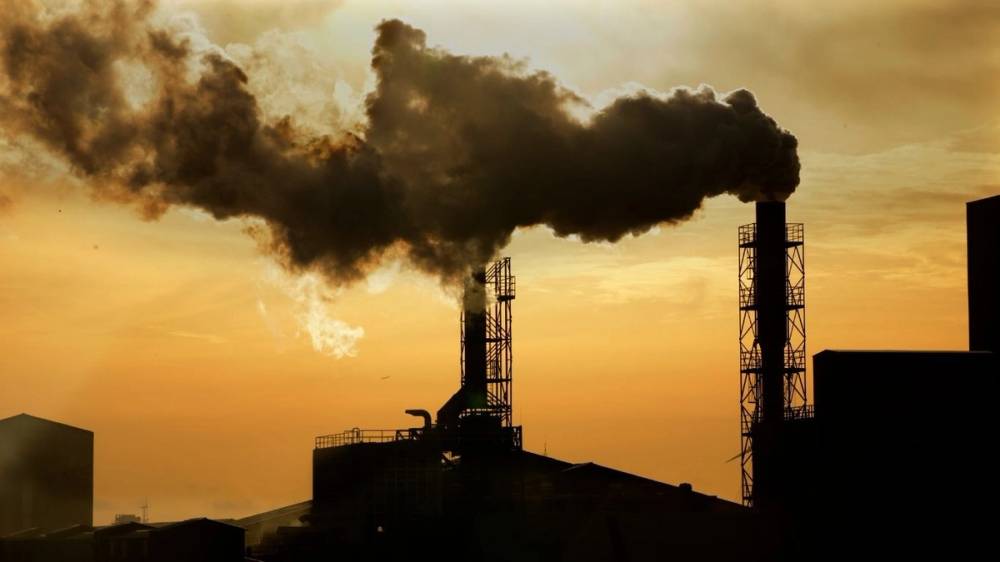
Air pollution is now considered the single largest external threat to human life expectancy because of its scale, reach and continuity. According to the Air Quality Life Index we generate, long-term exposure to current pollution levels cuts about three and a half years from the average Indian’s life. That figure is about two years globally — and it’s substantially higher in the most polluted regions of India.
What sets air pollution apart from other major health risks, like tobacco use, high blood pressure or unsafe water, is that it exposes nearly the entire population to its effects continuously, from early childhood through old age. Since it’s so widespread and persistent, its total impact on life expectancy now rivals — or exceeds — many more traditional or well-known health threats.
Importantly, air pollution is a perennial issue. It becomes most visible in the winter but the sources are active all year round and the levels are unacceptable for much of the year. Winter makes the crisis more visible and harder to ignore — but it doesn’t create it. People often notice air pollution through irritation in their lungs or breathing difficulties — but the most serious damage happens silently over the long run, with exposure increasing the risk of heart disease, chronic lung disease, strokes, worsened childhood asthma, reduced lifelong lung function and impacts on pregnancy and babies. And these impacts accumulate year on year, which is why air pollution shortens life expectancy so dramatically, compared to other issues.
Why is South Asia the world’s most polluted area? It has a convergence of challenges — rapid and dense urban growth, heavy reliance on fossil fuels and other biomass burning, industrial emissions, power generation and transport pollution, with pollution sources reinforcing one another.
Across India, the sources are known and policies already exist — that’s not the bottleneck to action. This situation is about enforcement of those policies and the social and political will for that. The technical solutions exist — it’s simply a question of enforcement.
Does air pollution impact economic growth?
Yes — and in a major way that often goes under the radar. Air pollution is estimated to cost India around 3% of its GDP every year. This is due to major losses from higher healthcare costs, lost productivity, worker absenteeism and damage to the long-term health of a population. It’s a direct and ongoing drag on India’s economic growth.
Have other countries faced —and fixed — this?
Across diverse country sizes, political regimes and economic systems, we have seen many nations make real progress. Large countries with very different governing systems — like China and the United States — dramatically cleaned up their air over time. Smaller nations and younger democracies, like The Gambia in Africa, have made meaningful progress. Other Asian countries, like Japan, Thailand and Singapore, have progessed as well. Ultimately, it is for India to decide, as these countries did, whether clean air is a true national priority — or not.