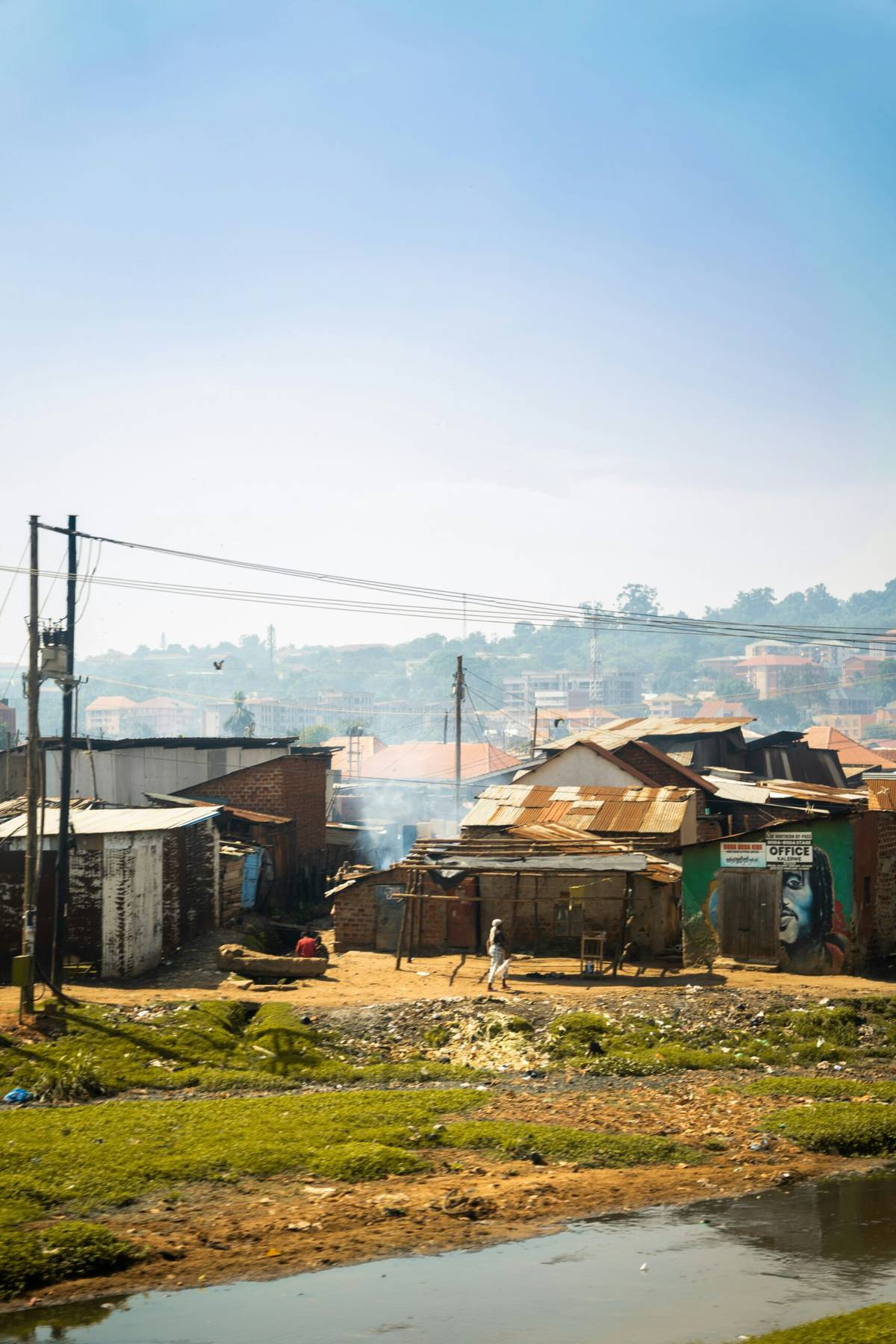
Kampala pollution no longer up in air
The pitch at Kawempe Muslim Primary School has been partitioned to accommodate a manufacturing hub within the borders of Kampala. The pitch is a microcosm of Uganda's competing needs. On that pitch, it is also easy to see the drivers of Kampala's air pollution problem. The pitch has been dug up, leaving bare ground. Without grass to cover the ground, the swirling dust on a sunny day is bound to spike Kampala's poor air quality readings. Additionally, the pitch has heaps of sand and vehicles for transporting this lucrative commodity that is necessary for construction where a disturbing housing deficit persists. A recent study conducted by The Real Urban Emissions (TRUE) Initiative in partnership with the United Nations Environment Programme (UNEP) found that heavy-duty vehicles, the likes of which carry sand out of the pitch at Kawempe, are belching significantly more emissions than their light-duty counterparts....
...According to the University of Chicago's Air Quality Life Index (AQLI), which is a tool that measures the impact of pollution on humans, improving air quality to meet the standards set by the World Health Organisation (WHO) potentially increases the life expectancy of Ugandans. To avoid the effects of Kampala's air pollution, some experts say the best way to combat this problem is to increase Kampala's use of active forms of transport such as walking, cycling and ride sharing. Other interventions to improve air quality in Kampala include increasing green spaces, protecting and rehabilitating wetlands such as the ones in Bugolobi, Kinawataka and Lubigi. According to Ms Akumu the implementation of the government's plan to use electric vehicles for public transport and provisions for special lanes for these buses would also reduce road traffic's contribution to air pollution.