Pune, India Workshop Spotlights the Dangers of Air Pollution
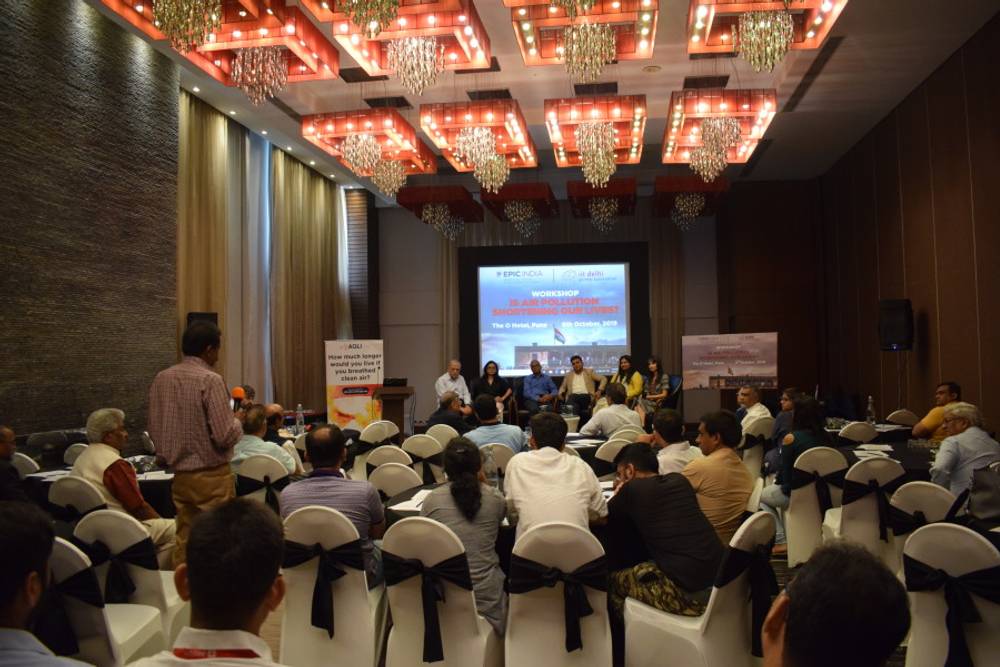
According to the AQLI, residents of Pune, could live about 3.2 years longer if World Health Organization (WHO) guidelines were met. Way back in 1998, the gain in life expectancy by meeting the same air quality standards was 1.8 years. This, along with other insightful details, were shared in a workshop organized by the Indian Institute of Technology, Delhi Alumni Association (IITDAA) Pune Chapter and the Energy Policy Institute at the University of Chicago (EPIC India) in Pune on 6th October.
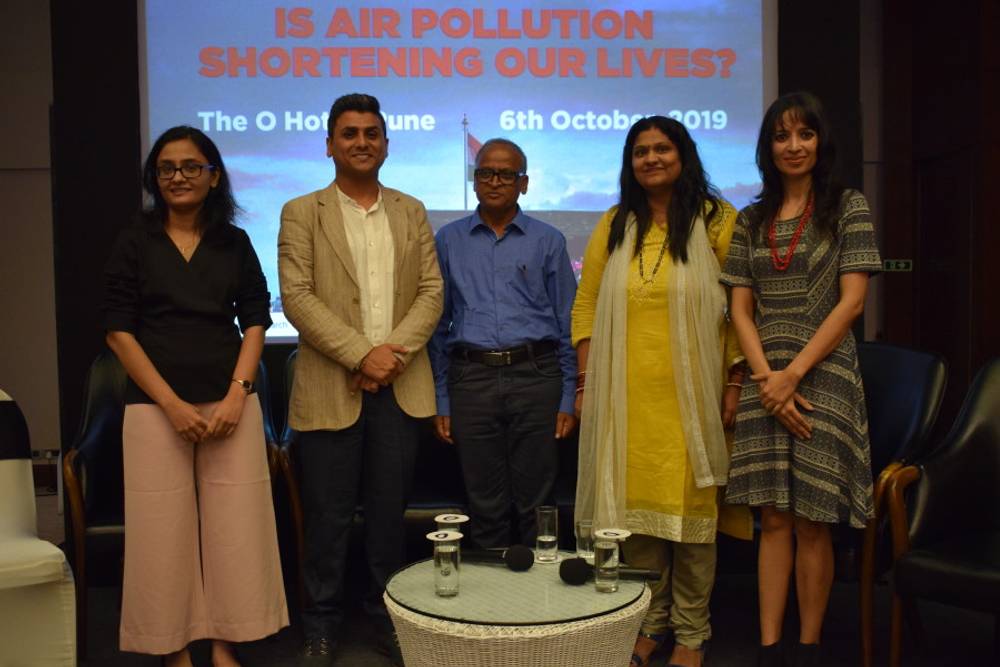
Guest speakers at the workshop included (L to R) Dr. Aparna Birajdar, a well known Pulmonologist from Pune; Vaibhav Chowdhary, Senior Associate Director, Strategy and Operations, EPIC-India; Dr. Dilip Chate, Former Director, Indian Institute of Tropical Meteorology SAFAR; Dr. Geetanjali Kaushik, Associate Professor, Hi Tech Institute, Aurangabad and Ekta Kumar, Senior Columnist and Artiste.
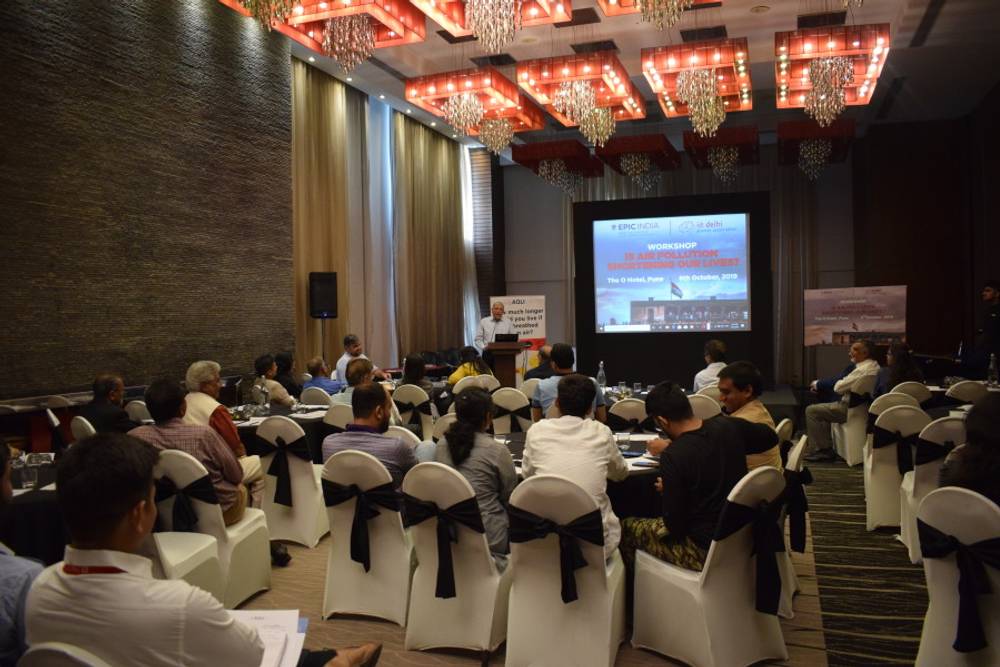
Mr. Vinod Grover, Managing Director, Kaizen Institute speaks.
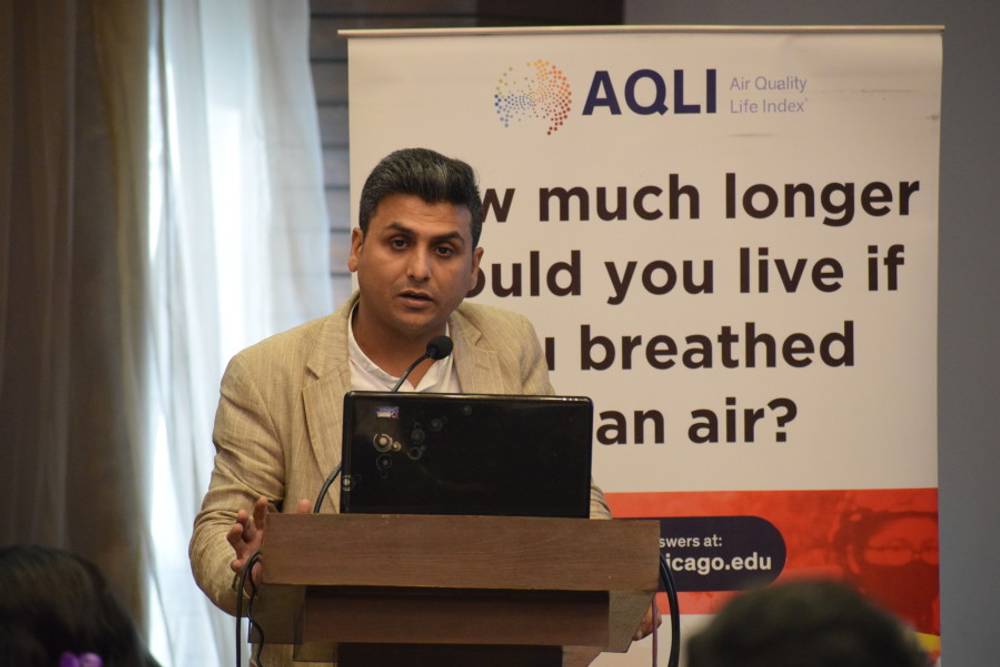
Vaibhav Showdhary of EPIC-India introduced the AQLI tool to the audience.
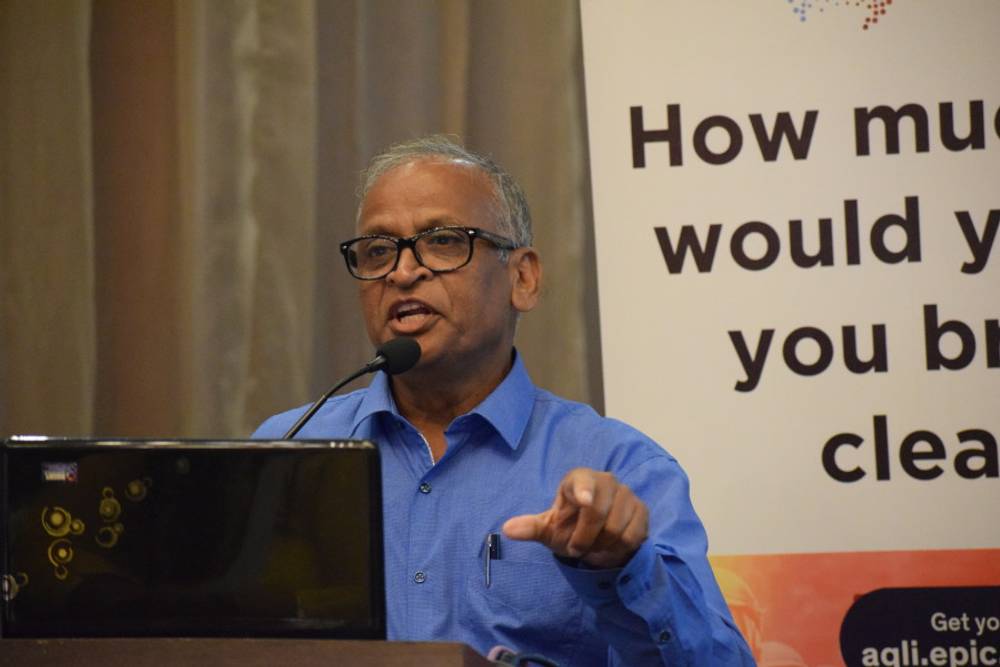
Dr. Dilip Chate make presents.
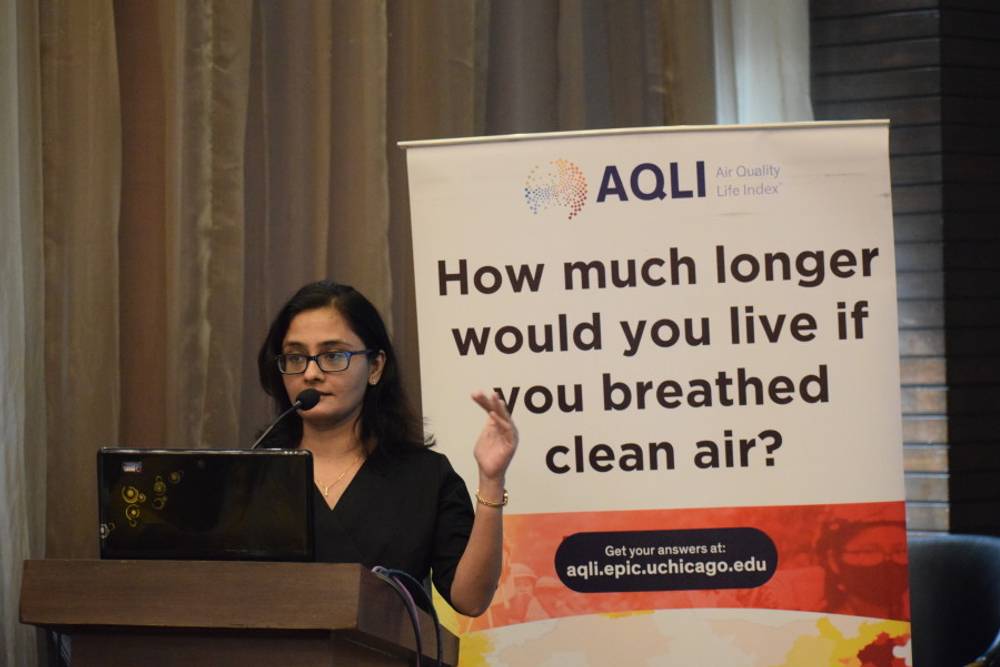
Dr. Aparna Birajdar spoke at length about the health impacts of air pollution, especially PM2.5, on humans and in particular on pregnant women and children.
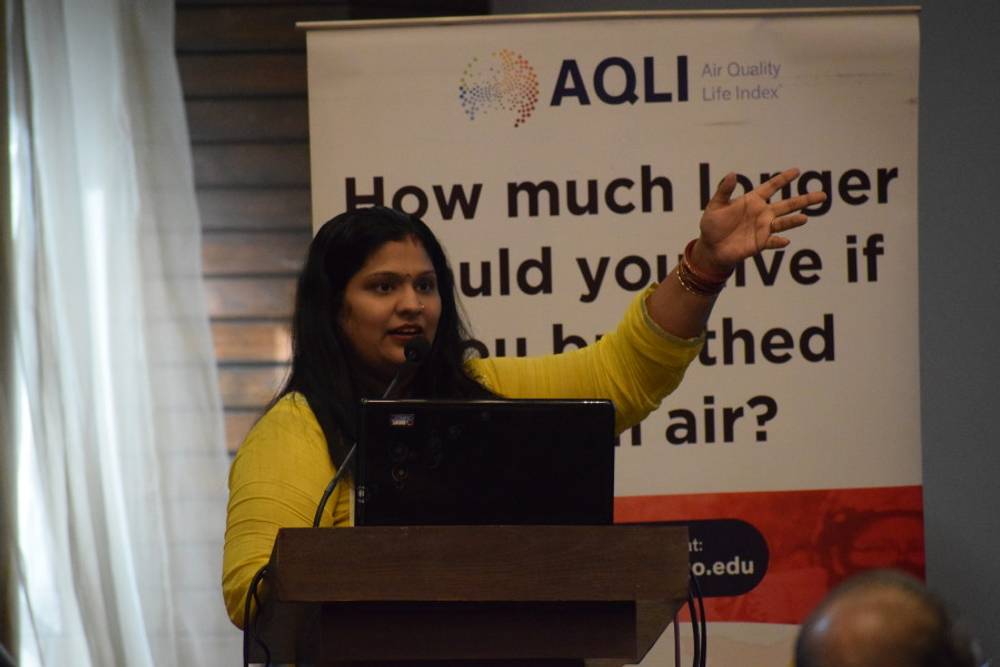
Dr. Geetanjali Kraushik spoke on some of the initiatives being taken by agencies across Maharashtra to fight air pollution and initiatives she has undertaken in cities, including Pune, as an official consultant to the State Government.
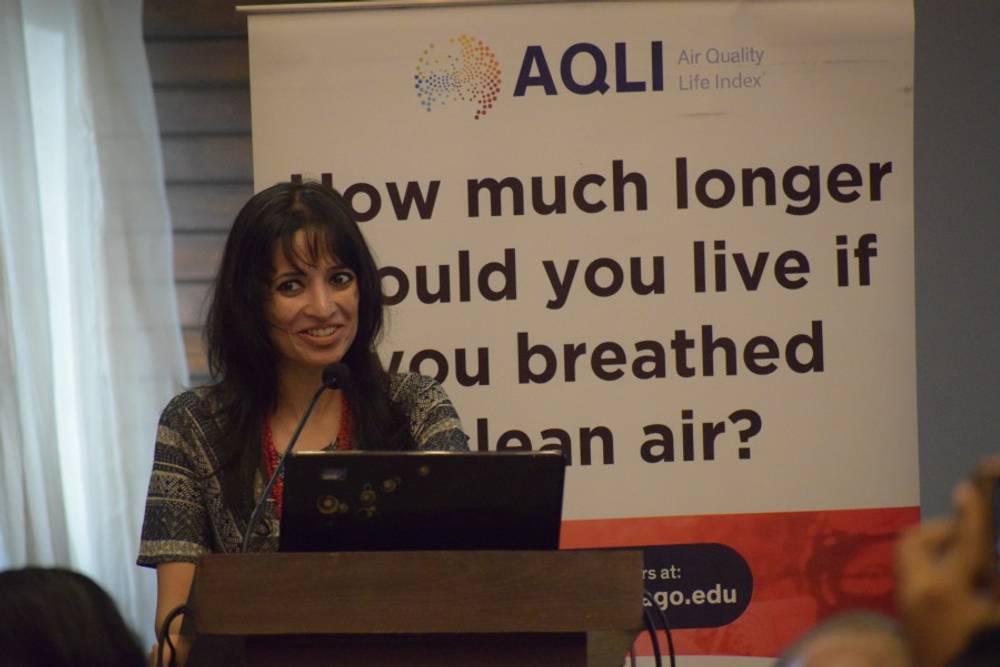
Ekta Kumar spoke on the need for more journalistic and civil society attention towards the topic of air pollution in the state.
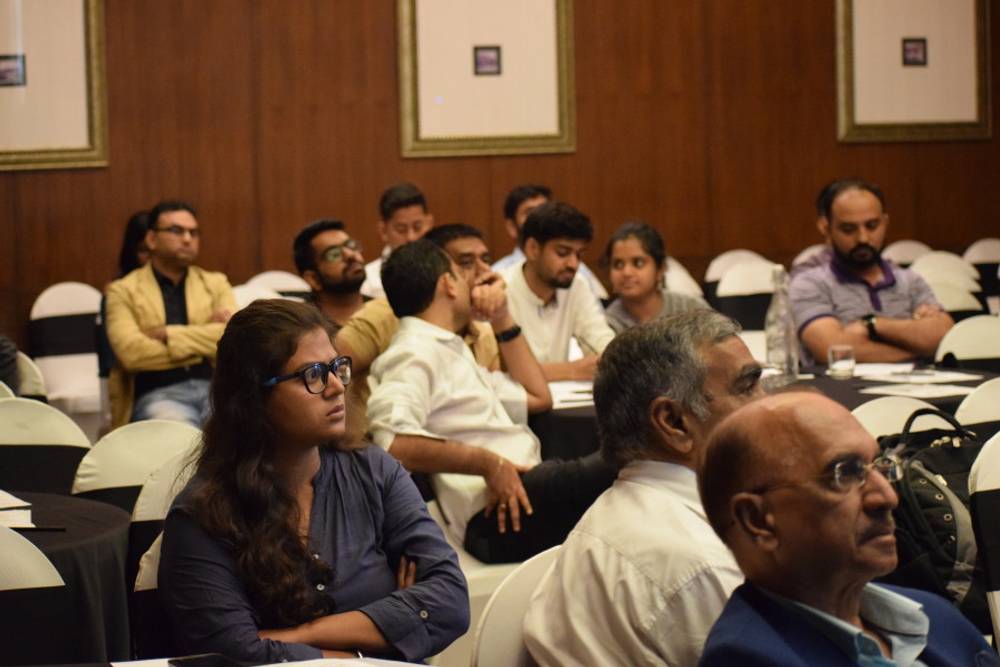
Fifty-four attendees from diverse professional and educational background, most former IIT Delhi alumnis, were present for the workshop.
After presentations were made by guest speakers, the attendees engaged in captivating conversations with them during a question and answer session.