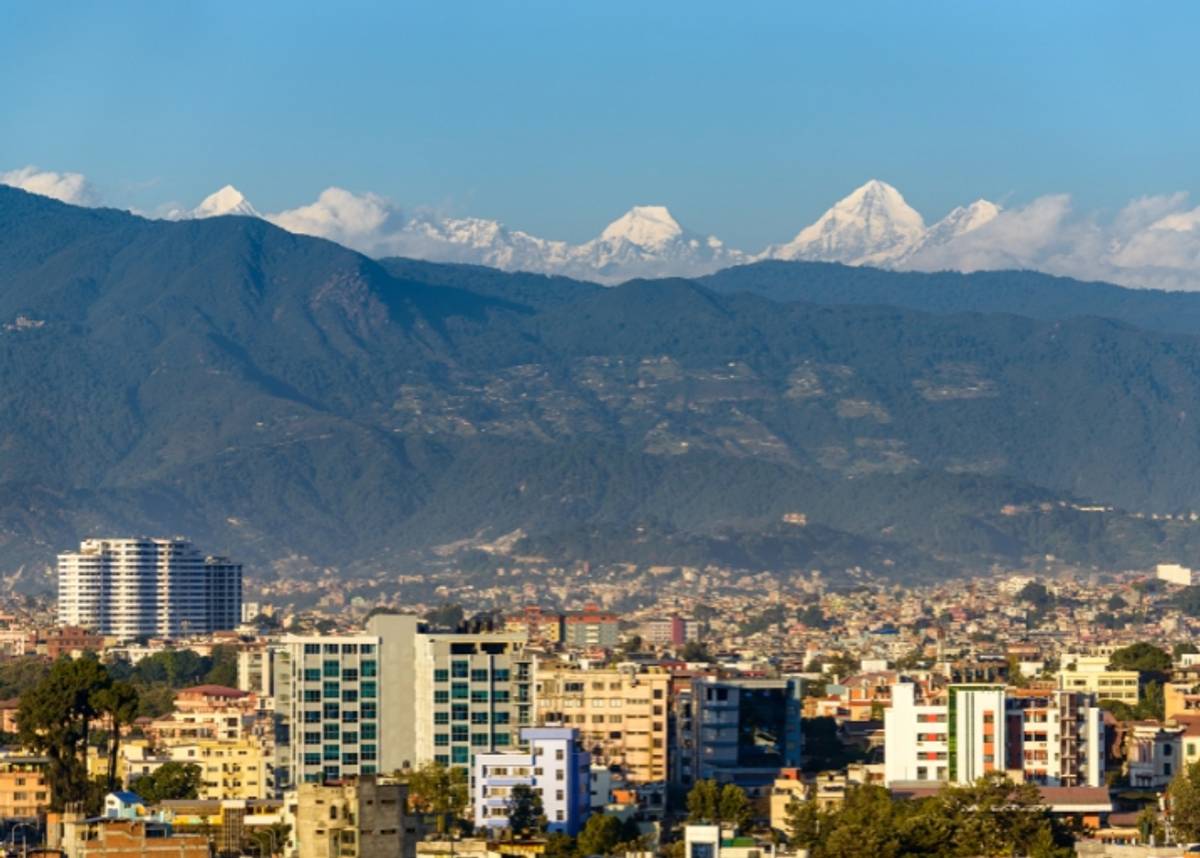
Warning: breathing is hazardous to health (2025)
An average Nepali could live 3.3 years longer if air pollution is reduced to meet the World Health Organization (WHO) guideline, according the annual Air Quality Life Index 2025 published this week.
The annual average concentration of tiny suspended particles in the air (PM2.5) in Nepal in 2023 was 38.3 μg/m3, nearly eight times the WHO standard, and 10% higher than 2022. Thirty years ago, air pollution in Nepal was half the current levels. WHO says particulate concentration above 5μg/m3 is hazardous to health .
The most polluted parts of Nepal are along the Indian border in Rutahat, Mahottari, Dhanusha, Parsa and Bara districts in Madhes Povince where average life expectancy is reduced by as much as 5.3 years.
People in Sarlahi, Siraha, Saptari, Morang, Sunsari, Rupandehi and Jhapa are also dying at least 4 years earlier. The Air Quality Index 2025 report which is published annually by the Energy Policy Institute at the University of Chicago, says the figure is relatively lower for Kathmandu and Lalitpur at 2.6 and 2.4 years.
After the Madhes, Kosi and Lumbini Provinces are the most polluted — especially in towns along industrial corridors and near the border. Karnali Province was by far the cleanest, followed by Sudurpaschim.