Air pollution in Delhi-NCR: The right way to talk about it
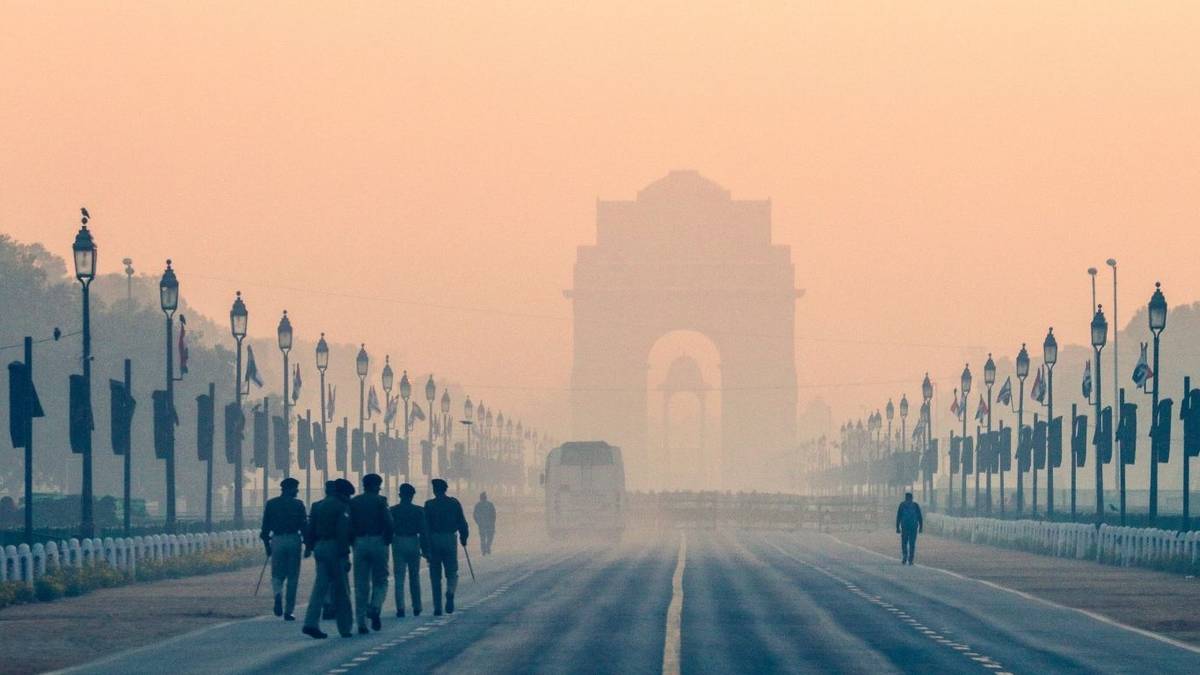
India’s air in the northern plains is visibly polluted. Air inside homes is likely unbreathable, too. But this is now an annual occurrence; little seems to change. Why, then, has this become one more harm we live with, almost silently?
Is it that we still don't fully grasp what it means to breathe such polluted air? The science has been clear for years: Pollution is cutting our lives short. So, what's missing is not information; it's the right storytelling.
We still haven't found a way to make clean air an issue that truly moves people, policymakers, and markets. The discourse remains centred on measurements - with hints of flaws - and blame, not so much the human costs of pollution, especially on health. When citizens see air pollution as an environmental issue, it feels distant. But when it is framed as a public health emergency stealing years from our lives, the response becomes more urgent, more personal, and, ultimately, more political.
A shift from evidence to stories making clear the human cost is how communication can shape policy. Consider the University of Chicago’s Air Quality Life Index : By translating pollution levels into years of life lost, it changed how people view the stakes involved. The conversation was not about micrograms of pollutant concentration but about time lost — of togetherness for families, of education, play, and other activities for children, thanks to related illnesses, of productivity due to worker absence. That’s the kind of storytelling India needs, connecting science to lived experience.
But awareness alone cannot create action. To change outcomes, stories must be paired with clear policy pathways and, sometimes, even incentives. The Emissions Market Accelerator, which helps governments in the Global South design and deploy market solutions to reduce pollution and foster economic growth, reminds us that when industries are given both a structure and a stake — when cleaner operations are economically rewarded — industry behaviour shifts. This is true for citizens and governments as well. Clean air stories must therefore not only describe the problem but also show what action looks like and who benefits from it.