Wildfires in 2023 drove Canada’s air pollution. How could it affect life expectancy?
By The Canadian Press
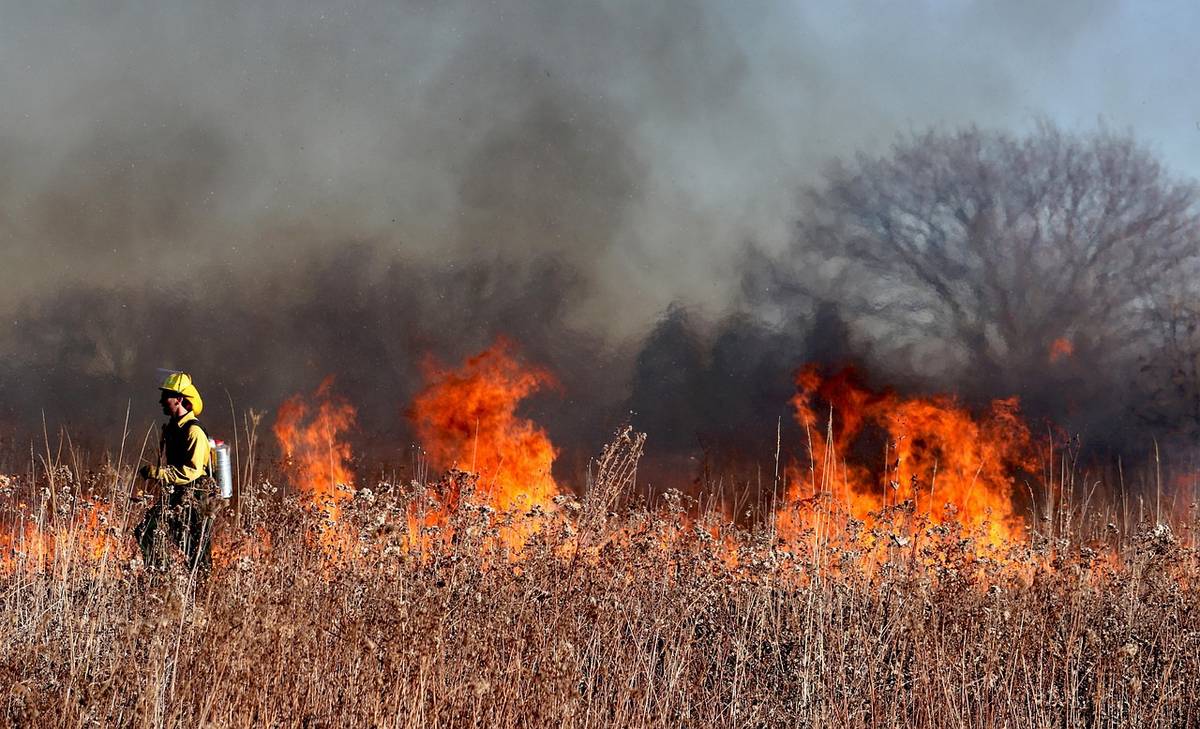
A new global report says record-breaking 2023 wildfires drove Canada’s air pollution to levels not seen since at least the late 1990s and exposed half the country to pollution concentrations above the national standard.
Canada’s average pollution levels were near the middle of the pack among the countries and territories included in the report, but some of its hard-hit wildfire regions rivalled some of the world’s most polluted places.
The researchers estimate if 2023 levels of pollution in areas of Northwest Territories and northeastern parts of British Columbia were sustained over a lifetime, compared to staying within the World Health Organization’s guideline, that could cut life expectancy by about four years.
The report produced by the Energy Policy Institute at the University of Chicago says Canada’s 2023 national average air pollution was the worst it’s been since the group’s records began in 1998.
The annual Air Quality Life Index update combines data from satellites and ground monitoring stations to come up with estimates of average levels of pollution called PM2.5, fine particulate matter so small it can travel deep into the lungs and pose serious risks to human health.
The report says air pollution and climate change, which is leading to more severe wildfires, are “deeply connected” and are driven by the same source: the burning of fossil fuels.
“If we want to solve this, we need to go to the root of the issue, which is fossil fuel burning,” said Christa Hasenkopf, the director of the Clean Air Program at the Energy Policy Institute at the University of Chicago .